What Ted Cruz Misunderstands about Peer Pressure

Ted Cruz ran a smart campaign, but it wasn’t smart enough.

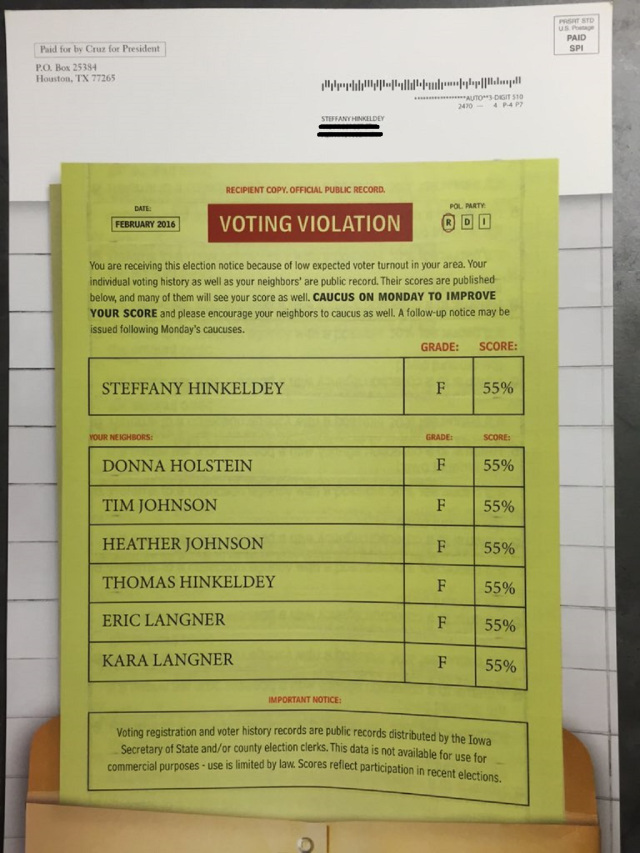
In the lead up to the Iowa Caucuses, presidential hopefuls use every trick in the book to turnout their supporters. Ted Cruz’s campaign took this to a new extreme recently by sending personalized “Voting Violation” letters to prospective voters that showed how they, and all their neighbors, had failing voter turnout scores.
Continue reading “What Ted Cruz Misunderstands about Peer Pressure”

Why Everything Bad Makes You Feel Better and Everything Good Makes You Feel Worse

I am in a terrible mood because my favorite team—the New England Patriots—squandered the chance to advance to the Super Bowl for the second time in a row and the seventh time in my life.

The previous sentence epitomizes why nearly all sports fans hate the Patriots (and their fans). Nevertheless, sports fandom perfectly illustrates how difficult it is for a single event to affect one’s long-term happiness level1.

While I’m currently devastated, my minute-to-minute happiness tomorrow, and the next week, month and year won’t be significantly affected by this loss.

Continue reading “Why Everything Bad Makes You Feel Better and Everything Good Makes You Feel Worse”

Absence Makes the Heart Grow Hostile

The Biweekly Bias is a regular feature in which I describe a common—but little known—cognitive bias, speculate on its evolutionary underpinnings, and give some tips for how to use it to your advantage. 

Biweekly Bias: Autistic Hostility

It turns out that the central recommendation Gwen Stefani made in the 1996 hit single, “Don’t Speak,” was not a very good one. Continue reading “Absence Makes the Heart Grow Hostile”

Organizations are Organisms

Whether a species survives or goes extinct depends on its ability to access crucial resources, such as food and water. Species are in constant and fierce competition with one another for limited resources and different species only learn to coexist when they can occupy unique niches within their environments (i.e. when they use different resources from one another).

For example, small beaked finches and large beaked finches coexist within the Galapagos islands because they eat different sized seeds. If both types ate the same types of seeds, one would eventually get better at it, and the other would die out. Luckily for the finch lovers of the world, large and small mouth finches occupy different niches, so they can live in harmony alongside one another. Continue reading “Organizations are Organisms”

How Behavioral Economics Made Me a Fantasy Football Champion

UPDATE: Original post said “won 2 out of 3” fantasy football championships. Since updated to “3 out of 5.”

I hesitate to write this, not only because it is an incredible display of hubris for which I am sure to receive a horrible dose of karmic retribution, but also because it is a foolish competitive move to put the strategies that have been successful for me out in the open for anyone (including future leaguemates) to see. Additionally, I am making the classic error of attributing my success to my own skills rather than to luck, which, in all likelihood, played a larger role. May the fantasy football gods have mercy on my soul1 and may my readers forgive this brief bout of braggadocios blogging.

Continue reading “How Behavioral Economics Made Me a Fantasy Football Champion”

The Idiot-Genius Confidence Reversal

The Idiot-Genius Confidence Reversal Continue reading “The Idiot-Genius Confidence Reversal”

The Hotelling Theory Behind Trump’s Strategy

Imagine you live in a city where all of the attractions are evenly distributed on Main Street, and tourists pick hotels solely based on how close they are to the greatest number of attractions. If you were a hotel magnate, where is the ideal place on Main Street to build a hotel? Continue reading “The Hotelling Theory Behind Trump’s Strategy”

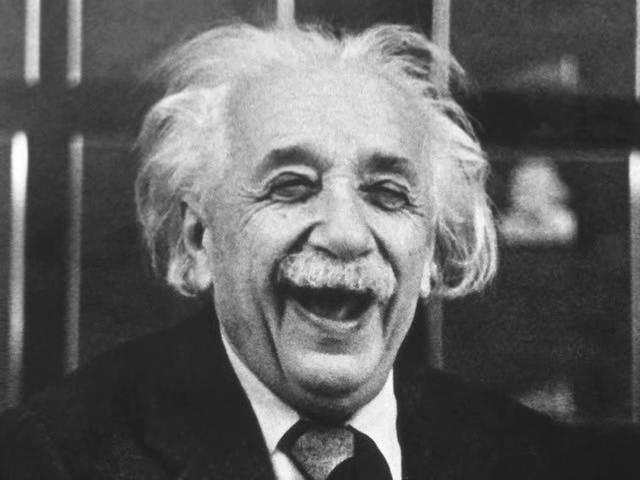
Einstein: The Father of Behavioral Economics

“Put your hand on a hot stove for a minute and it seems like an hour. Sit with a pretty girl for an hour, and it seems like a minute. That’s relativity”

Continue reading “Einstein: The Father of Behavioral Economics”

Can Mindfulness and Technology Coexist?

Can mindfulness and technology coexist? (Spoiler Alert: Yes)

Surrounded by the Cloud

I, like many others, sometimes start my day by checking my notifications and emails, then spend hours in front of a computer at work, then watch a show or two before bed, all while compulsively checking the phone in my pocket. My whole day depends on technology.

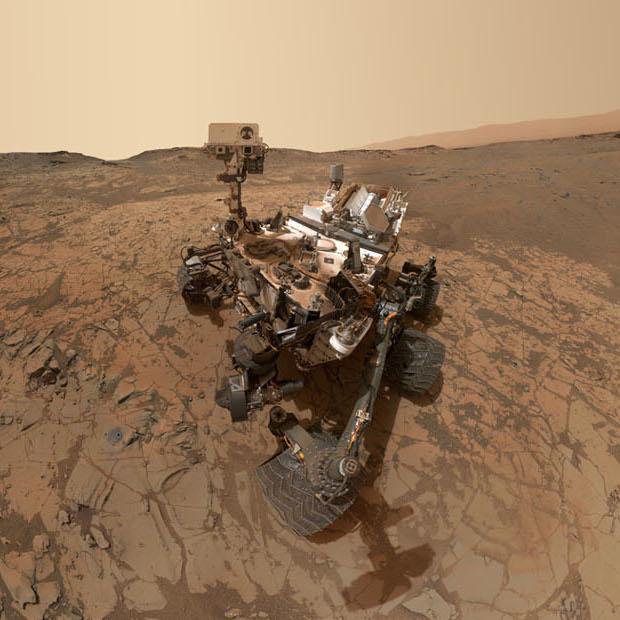
As if having the entirety of human knowledge an arm’s reach away wasn’t enough, we now have at our fingertips the ability to interact with billions of people across the globe, and some robots across the solar system: Continue reading “Can Mindfulness and Technology Coexist?”

3 Tips For Using Technology Mindfully

previous post examined the interaction between mindfulness and technology. In that post, I promised to give some tips for using technology in a mindful fashion; this post is the fulfillment of that promise. Continue reading “3 Tips For Using Technology Mindfully”